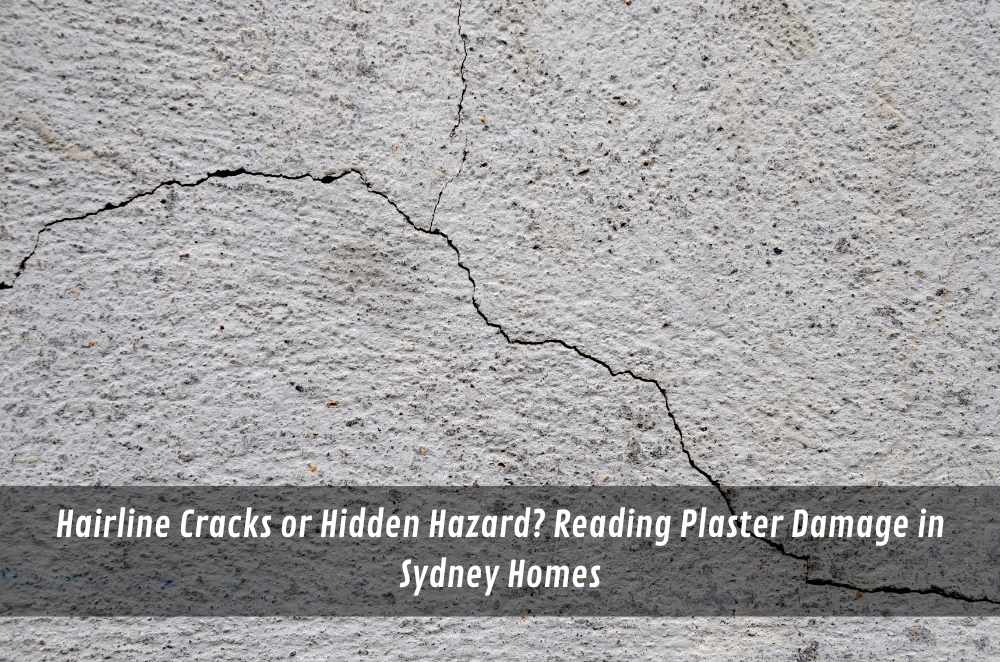
Sydney’s plaster walls cop plenty: humid summers, cool winters, thunderous storms, endless DIY experiments. Most owners notice the first sign of trouble as pencil-thin lines zig-zagging across the paint. The question is always the same – cosmetic quirk or early warning?
Small Lines, Large Clues
A crack that hasn’t widened in months rarely keeps anyone awake at night. Trouble brews when fractures recur in the same spot or start fanning out from doors, windows or ceiling joints. Movement in the timber frame, seasonal moisture swings and even loud road traffic can nudge plaster apart. When several factors combine, the damage snowballs.
Many households jump straight to sanding and filler. Quick fixes do neaten the surface, but they mask rather than resolve what’s happening behind the paint. In plenty of Sydney homes, deeper issues surface again within a season, and each repeat patch job gets harder to blend.
Early professional assessment is surprisingly cost-effective. Experienced plasterers in Sydney bring moisture meters, straight-edges and a practiced eye. Instead of guessing, they can pinpoint whether you’re looking at harmless shrinkage, frame settlement or something that needs structural input. Getting clarity up front prevents chasing the same crack every six months.
Why the City’s Climate Matters
Sydney swings from sticky summer humidity to crisp winter dryness. Gyprock and traditional lime plaster both expand and contract with that swing; so do the studs behind them. In pockets like the Inner West, older terraces often have mixed wall types – brick downstairs, lightweight upstairs – so each section moves differently. Those hairline cracks are the plaster telling you about that mismatch.
What Accelerates Damage?
Leaving small blemishes untouched sounds harmless, yet a few everyday habits add fuel:
Slamming heavy timber doors can send a vibration wave up wall studs, putting extra stress on nearby plaster. Instead, fit soft-close hinges or dampers to reduce impact.
Cranking the air conditioner when walls are already damp can cause a sudden temperature drop that pulls moisture towards the surface. Aim for gradual cooling and maintain a stable indoor relative humidity level of around 40–60%.
Hanging artwork on the same suspect stud can add extra weight directly at the crack point. Use spreader rails or relocate hooks to distribute the load more safely.
Ignoring roof leaks above ceilings allows moisture to weaken plasterboard joints over time. Repair the roof issue first, then patch and restore the damaged plaster.
Time also matters. The longer moisture sits inside a wall cavity, the more salts migrate to the surface, leaving powdery “bloom” under the paint. Once salts crystallise, paint adhesion falls apart and minor cracks blossom into flaking strips.
Sydney owners curious about deeper causes often enjoy the analysis in the guide on why some plaster wall repairs fail. It highlights how rushed prep or the wrong compound choice can ruin an otherwise tidy patch.
Common Misreads
Ceiling “shadow lines” under downlights are usually joint compound shrinking, not mould.
Bulging skirting boards often point to rising damp rather than failing plaster.
Random nail pops upstairs might be loose joist hangers, not sloppy installation.
Reading these signals correctly saves tearing out perfectly sound sections – or worse, painting over a growing problem.
When DIY Meets Red Tape
Plaster repair feels harmless compared with wiring or plumbing, yet the moment a job involves removing more than 20 % of a wall, you’re officially altering a fire-rated element of the building. That attracts building code requirements most owners never consider until a strata manager or insurer asks for compliance evidence.
Current 2026 guidelines refer homeowners to NSW Fair Trading home building advice. The site spells out when a licensed contractor must handle the work, paperwork you’ll need for strata records, and warranty periods that apply once repairs top $5,000 in labour and materials. Overlooking these rules risks voiding insurance if a later incident reveals non-compliant work.
Signs It’s Time to Call In Help
A crack keeps opening even after two careful filler jobs.
You see staining, damp patches or a musty smell around the damage.
The ceiling feels “spongy” when pressed – sagging plasterboard can let go without much warning.
You’re preparing to sell or lease and need the defect note removed from the building report.
Qualified trades not only fix the surface but also document the cause and remedy. That report can be priceless when settlement time rolls around.
A Smarter Finish, Not Just a Prettier Wall
Living with small blemishes is personal choice; losing rental income or resale value because of hidden moisture isn’t. Early investigation, the right compound mix and controlled drying mean you repaint once, not three times.
Good plaster isn’t just smooth – it’s stable. Where previous owners chased cracks year after year, well-executed remediation silences the wall so future paint jobs last their full term. On balance, professional assessment ahead of the roller usually costs less than repainting prematurely.
Sydney’s weather, varied housing stock and tight real-estate market reward anyone who fixes the source, not the symptom. Next time a fine line appears, treat it as a gentle nudge rather than an aesthetic hiccup. Your future self – and perhaps the next owner – will thank you.










Write a comment ...